Black Neoprene Sponge Foam Strip 10m | Waterproof Sealing
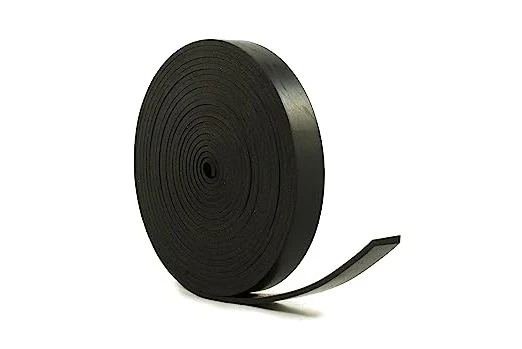
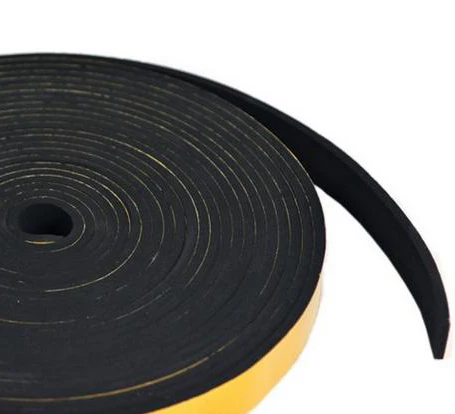
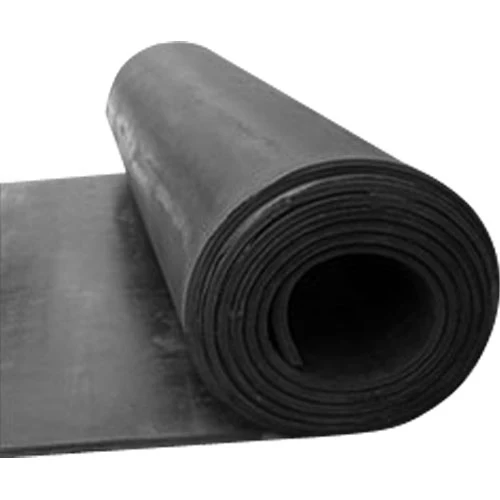
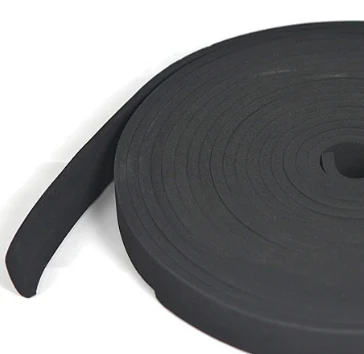
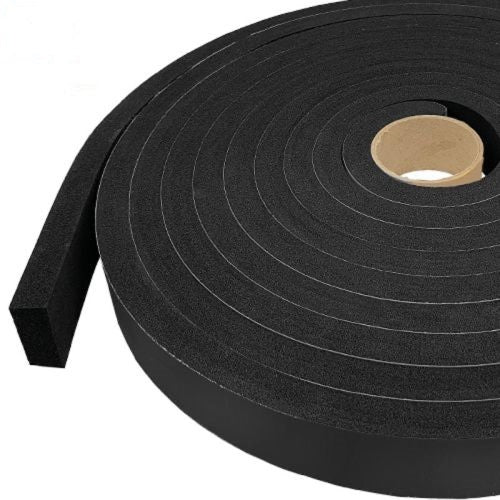
Black Neoprene Sponge Foam Strip 10m — Waterproof Sealing & Draught Exclusion
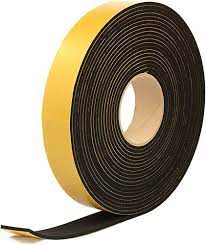
Our Black Neoprene Sponge Foam Strip is a closed-cell neoprene (polychloroprene) foam sealing strip, supplied in 10-metre rolls for professional and DIY sealing applications throughout the UK. The closed-cell foam structure provides excellent waterproofing, thermal insulation, and draught exclusion, while neoprene's inherent chemical resistance makes it suitable for industrial, marine, and construction applications where standard PU foam would fail. Available in multiple widths and thicknesses with a self-adhesive peel-and-stick backing, free UK delivery.
Specifications
| Property | Specification |
|---|---|
| Material | Closed-cell neoprene (polychloroprene) sponge foam |
| Colour | Black |
| Roll Length | 10 metres per roll |
| Cell Structure | Closed-cell — does not absorb water |
| Temperature Range | -40C to +100C |
| Backing | Self-adhesive peel-and-stick for rapid installation |
| UV Resistance | Good — suitable for outdoor sealing applications |
| Oil Resistance | Good — neoprene resists petroleum-based oils and greases |
| Delivery | Free UK delivery on all orders |
Why Choose Neoprene Over Standard Foam Seals?
Standard polyurethane foam sealing tape is adequate for light domestic draught exclusion but deteriorates rapidly when exposed to oils, solvents, extreme temperatures, UV, or sustained compression. Neoprene sponge foam sealing strips are the professional specification because neoprene has a waterproof closed-cell structure and will not absorb water even when submerged, it has oil and fuel resistance suitable for engine bays and marine environments, it remains temperature stable from -40C to +100C, it is UV resistant and does not crack with outdoor exposure, it has compression recovery and returns to shape after sustained compression maintaining the seal, and it is chemically resistant to dilute acids, alkalis, and most industrial cleaning chemicals.
Applications
- Doors and windows — draught exclusion seals for commercial and residential doors, windows, and skylights
- Marine and boatbuilding — hatch seals, deck fitting gaskets, and waterproofing strips
- Automotive — engine bay seals, boot and door gap sealing, underbonnet vibration damping
- Industrial machinery — panel seals, electrical enclosure gaskets, oil-resistant door seals
- HVAC and refrigeration — cold room door seals, freezer gaskets, ductwork sealing
- Construction — expansion joint backing, movement joint filler, panel gap sealing
- Electronics — EMI/EMC gasketing, vibration isolation for PCB enclosures
Frequently Asked Questions
Is neoprene foam waterproof?
Yes — neoprene sponge foam in closed-cell form is fully waterproof. The closed-cell structure means individual foam cells are sealed and do not interconnect, preventing water penetration. This makes it ideal for outdoor sealing, marine applications, and environments where moisture ingress must be prevented.
What is the difference between neoprene sponge and EPDM foam?
Both neoprene (polychloroprene) and EPDM foam strips are excellent sealing materials. Neoprene has better oil and fuel resistance, making it the correct choice for automotive and marine applications. EPDM has marginally better UV and ozone resistance and is typically lower cost. For oil-contact environments, always specify neoprene.
Can neoprene foam strip be used on vehicles?
Yes — neoprene sponge foam is a standard specification for automotive sealing. It is oil-resistant, temperature-stable across engine bay ranges, and will not deteriorate from petroleum-based fluids. It is used for door seal weatherstripping, engine lid gaskets, and underbonnet panel seals.
Does the self-adhesive backing work on rough surfaces?
The self-adhesive backing performs best on clean, smooth, and dry surfaces. On rough or porous surfaces (concrete, brick, rough timber), additional adhesive is recommended — use a contact adhesive such as Evo-Stik or a specialist foam tape adhesive for maximum bond strength.
More Rubber Sealing and Sheeting from Rubberco
- Rubber Sheeting — neoprene, EPDM, nitrile, silicone and SBR sheet
- Rubber Matting — matting rolls and sheets for floor applications
Need a custom cut or large quantity? Contact our team for a quote.
Original: $61.55
-65%$61.55
$21.54Product Information
Product Information
Shipping & Returns
Shipping & Returns
Description
Black Neoprene Sponge Foam Strip 10m — Waterproof Sealing & Draught Exclusion
Our Black Neoprene Sponge Foam Strip is a closed-cell neoprene (polychloroprene) foam sealing strip, supplied in 10-metre rolls for professional and DIY sealing applications throughout the UK. The closed-cell foam structure provides excellent waterproofing, thermal insulation, and draught exclusion, while neoprene's inherent chemical resistance makes it suitable for industrial, marine, and construction applications where standard PU foam would fail. Available in multiple widths and thicknesses with a self-adhesive peel-and-stick backing, free UK delivery.
Specifications
| Property | Specification |
|---|---|
| Material | Closed-cell neoprene (polychloroprene) sponge foam |
| Colour | Black |
| Roll Length | 10 metres per roll |
| Cell Structure | Closed-cell — does not absorb water |
| Temperature Range | -40C to +100C |
| Backing | Self-adhesive peel-and-stick for rapid installation |
| UV Resistance | Good — suitable for outdoor sealing applications |
| Oil Resistance | Good — neoprene resists petroleum-based oils and greases |
| Delivery | Free UK delivery on all orders |
Why Choose Neoprene Over Standard Foam Seals?
Standard polyurethane foam sealing tape is adequate for light domestic draught exclusion but deteriorates rapidly when exposed to oils, solvents, extreme temperatures, UV, or sustained compression. Neoprene sponge foam sealing strips are the professional specification because neoprene has a waterproof closed-cell structure and will not absorb water even when submerged, it has oil and fuel resistance suitable for engine bays and marine environments, it remains temperature stable from -40C to +100C, it is UV resistant and does not crack with outdoor exposure, it has compression recovery and returns to shape after sustained compression maintaining the seal, and it is chemically resistant to dilute acids, alkalis, and most industrial cleaning chemicals.
Applications
- Doors and windows — draught exclusion seals for commercial and residential doors, windows, and skylights
- Marine and boatbuilding — hatch seals, deck fitting gaskets, and waterproofing strips
- Automotive — engine bay seals, boot and door gap sealing, underbonnet vibration damping
- Industrial machinery — panel seals, electrical enclosure gaskets, oil-resistant door seals
- HVAC and refrigeration — cold room door seals, freezer gaskets, ductwork sealing
- Construction — expansion joint backing, movement joint filler, panel gap sealing
- Electronics — EMI/EMC gasketing, vibration isolation for PCB enclosures
Frequently Asked Questions
Is neoprene foam waterproof?
Yes — neoprene sponge foam in closed-cell form is fully waterproof. The closed-cell structure means individual foam cells are sealed and do not interconnect, preventing water penetration. This makes it ideal for outdoor sealing, marine applications, and environments where moisture ingress must be prevented.
What is the difference between neoprene sponge and EPDM foam?
Both neoprene (polychloroprene) and EPDM foam strips are excellent sealing materials. Neoprene has better oil and fuel resistance, making it the correct choice for automotive and marine applications. EPDM has marginally better UV and ozone resistance and is typically lower cost. For oil-contact environments, always specify neoprene.
Can neoprene foam strip be used on vehicles?
Yes — neoprene sponge foam is a standard specification for automotive sealing. It is oil-resistant, temperature-stable across engine bay ranges, and will not deteriorate from petroleum-based fluids. It is used for door seal weatherstripping, engine lid gaskets, and underbonnet panel seals.
Does the self-adhesive backing work on rough surfaces?
The self-adhesive backing performs best on clean, smooth, and dry surfaces. On rough or porous surfaces (concrete, brick, rough timber), additional adhesive is recommended — use a contact adhesive such as Evo-Stik or a specialist foam tape adhesive for maximum bond strength.
More Rubber Sealing and Sheeting from Rubberco
- Rubber Sheeting — neoprene, EPDM, nitrile, silicone and SBR sheet
- Rubber Matting — matting rolls and sheets for floor applications
Need a custom cut or large quantity? Contact our team for a quote.